To kick off the New Year and after the festive period that ended a few days ago, I’m inaugurating my new blog with this first article in a long series that will interest you beyond the day after the festivities. I’m going to give you the tips and advice you need to avoid the infamous “hangover” and the unbearable migraine that usually follow (much) drunken meals or aperitifs.

Headaches, a consequence of an overloaded liver
But to begin with, I’m going to tell you about the liver. This organ plays a primordial and essential role, which is so precious and so important in metabolising and processing waste and toxic substances so as not to poison our organism and ensure that the beautiful machine that serves as our vehicle, a.k.a. our body, continues to function without jamming. This, of course, ensures that we have the energy and vitality we need to devote ourselves fully to all our favourite activities (whether physical or intellectual).
The liver eliminates toxic substances
The liver is an organ located in the upper right-hand part of the abdomen. It is the largest organ in the human body, weighing on average 1.5kg.
It has a number of functions, including producing digestive enzymes and bile, metabolising nutrients and storing them such as certain vitamins, storing glycogen, breaking down and eliminating toxic substances and drugs to make them water- and fat-soluble so that they can be eliminated in the faeces and urine. It is this last function that interests us here.
The toxic effects of alcohol on the liver
When alcohol is ingested, most of it is handled by the liver. It can process around 2.4g of alcohol per litre of blood per day. But when the liver cells receive too much alcohol, their functioning is greatly disrupted, and above all they deteriorate over time. And the diseases linked to too much alcohol consumption are hepatic steatosis (or the production of fat in the liver, the famous “fatty liver”), liver failure, chronic alcoholic hepatitis and then hepatic cirrhosis, where the liver cells are gradually destroyed. This is why alcohol is extremely toxic to the liver. Alcohol also prevents the storage of vitamins and other trace elements.

How does the liver deal with alcohol?
When alcohol reaches the liver, via the blood, it is broken down and the metabolites of this breakdown (acetaldehyde and acetate) are absorbed by the cells and are toxic to them. The damage caused by alcohol is also due to the fact that when alcohol is processed by the liver, a large amount of oxidative stress is produced, which causes damage to the cells and also leads to a deficiency in energy metabolism.
What happens when you have a “hangover” ?
This whole process of processing alcohol by the liver will lead to dehydration, a drop in blood sugar levels, liver cell failure, dilation of blood vessels followed by vasoconstriction, a drop in energy output and a leakage of magnesium…. The liver is overloaded, inflamed and intoxicated. Its functions become unresponsive… And then comes the headache and that famous hangover!
Natural anti-hangover solutions
So to help your liver recover quickly from excessive (and exceptional!) alcohol consumption, here are a few natural solutions that will help it to continue functioning despite everything, and thus help you avoid that terrible headache and hangover:
1) Vitamin C :
Vitamin C is a major anti-oxidant that plays a part in liver detoxification by supporting the activity of anti-oxidant enzymes, but it also protects against the free radicals produced in large quantities and which cause oxidative stress. By providing vitamin C, the liver can continue to function, bearing in mind that alcohol prevents the absorption of vitamins and that processing large quantities of alcohol requires a high intake of vitamin C.
Other antioxidants to protect against oxidative stress include N-Acetyl-Cysteine and alpha-lipoic acid.
2) Magnesium :
It is a nutrient that plays a part in energy metabolism, and the liver is in great need of it for all the work it is asked to do at that moment. It is also known to help with migraines and headaches, as it is involved in many intracellular processes and has a vasodilatory effect.
3) Milk thistle and black radish
These plants act on the functions of the liver. They are traditionally recognised for boosting and protecting liver function, particularly in cases of cirrhosis and other liver disorders. The sulphur derivatives contained in black radish help to boost the enzymatic activity of liver detoxification.
But there’s also Artichoke, Desmodium, Chrysantellum Americanum, Combretum and Dandelion, which also act synergistically on the whole sphere of hepatic and biliary drainage and elimination.
So when you get back from a night of drinking too much, the first thing to think about is ..:
- hydrate your body and drink plenty of water (if possible rich in magnesium, such as Hepar),
- consume a large quantity of vitamin C (at least 1g),
- magnesium (600mg in the form of glycerophosphate, citrate or bisglycinate salts),
- milk thistle and black radish concentrate (in capsules or ampoules), as soon as possible.
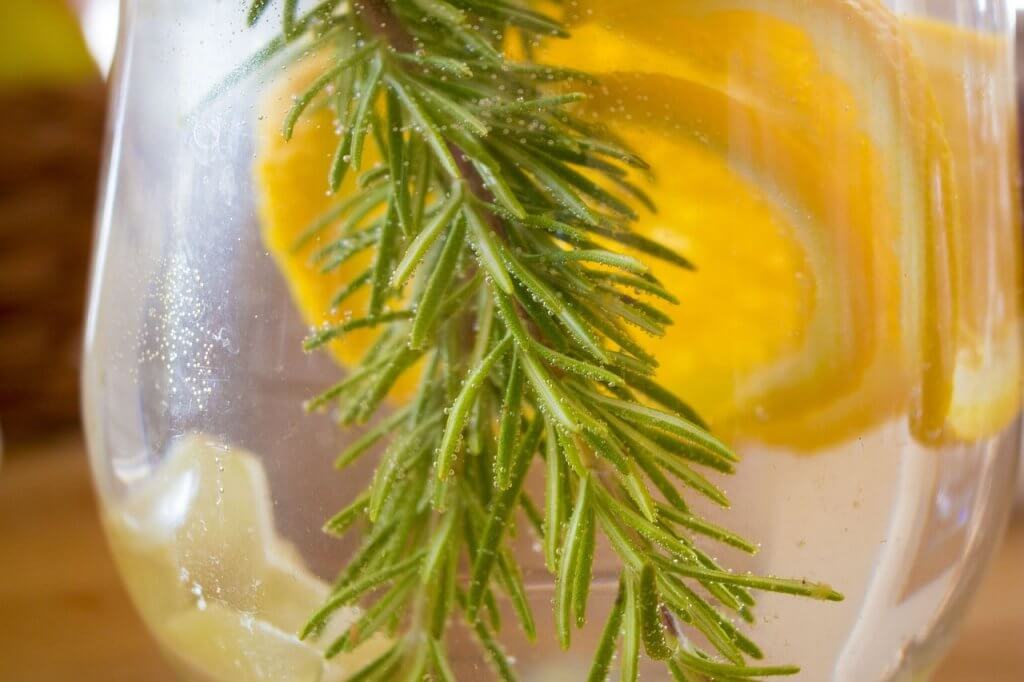
And if you don’t have all that to hand, here’s another little homemade recipe that combines the 3 magical powers below: drink half a litre of magnesium water and half a litre of warm rosemary infusion (to preserve the vitamin C in the lemon) (for its effect on the liver and circulatory system) with freshly squeezed lemon juice (the water for hydration, the action of the rosemary and the vitamin C in the lemon for the liver): you should wake up more gently!
Here’s to your health!