By Marilise Rouzier, Biologist, Université d’État d’Haïti, and with her kind and warm personal authorisation
Last March, the World Health Organisation declared that the Covid-19 epidemic caused by the SARS-COV-2 coronavirus was now considered to be a pandemic that was likely to spread almost everywhere in the world. Since then, we have witnessed the devastation wrought by Covid-19 and the panic it has caused, with more than 200 countries affected and more than 317,000 deaths worldwide, particularly in developed countries.
In Haiti, the virus is already well established: according to the latest news bulletins, the number of people testing positive is rising rapidly, as is the number of deaths (around twenty), even among middle-aged people, which is even more worrying given that everywhere else it is the oldest people who are most affected. With our limited medical and economic resources, which are so obvious that it is superfluous to go into them in this article, we need to face this virus with a clear head, aware of its seriousness and seeking to reduce its impact on a population that is already vulnerable, both in terms of its nutritional status, its socio-economic situation and the level of insalubrity and promiscuity in the environment in which it lives.
To date, in the countries affected, there are no specific remedies, but patients are offered care protocols that include antivirals, antibiotics and drugs to treat the symptoms. When patients suffer respiratory distress, they are put on oxygen or placed in intensive care, therapies that we would obviously be unable to offer to the majority of the population. We should also point out that none of the antivirals proposed in these protocols are affordable for the average person.
In this context, we cannot over-emphasise the need for preventive measures to protect the population from this devastating virus. The hygiene instructions given (in all cases with regard to washing hands, wearing masks and social distancing wherever possible) must be applied. We must also try to make the best possible use of the local resources available in this country, where a large proportion of the population traditionally and spontaneously rely on the virtues of plants to treat their ailments. And this is exactly what has been happening in the country since the pandemic was announced.
We carried out a literature search with the aim of considering the local therapeutic options that could be used to deal with Covid-19, taking into account the availability of products, people’s knowledge of plants and their purchasing power. This enabled us to make proposals for interventions that could help prevent or better manage the epidemic in Haiti, in the event that no specific remedy (perhaps a vaccine or another affordable drug) had been developed in the meantime.
The interventions proposed here will have several objectives:
–Strengthen the immune system in general to enable the body to better resist the attack of the virus. Statistical data published regularly in the most affected countries show that the elderly and people suffering from other pathologies that weaken the immune system are more vulnerable and less resistant to the virus than people with a good immune system, which clearly indicates the importance of strengthening the immune system;
–Defend against the virus itself with natural anti-virals;
–Fighting the bacteria that seem to join forces with the virus to cause complications that are often serious. Although there is no consensus on the subject, certain bacteria (such as Streptococcus, Kiebsiella, etc.) are sometimes blamed for these super-infections;
– To prevent the formation of blood clots , which often occur in severely affected patients, as well as the lack of oxygen to the cells and the malfunctioning of blood vessels.
To achieve these objectives, and on the basis of the bibliographic research carried out, several interventions can be envisaged.
Firstly, to strengthen the immune system, we propose a number of locally available and inexpensive foods. In the absence of any pathological condition, diet, through the quality and quantity of nutrients, can directly modify nutritional status and immune response. The stimulation of our defence system against microbial attacks of all kinds is therefore largely dependent on diet. A good level of vitamins, minerals (iron, zinc, selenium…), proteins and good fats is essential for the proper functioning of this system. People with low blood levels of these elements (especially vitamins A, D and zinc) are more vulnerable to viral infections. Studies have also highlighted the potential of vitamins C and D to protect against respiratory infections in general. In addition, vitamins A, C and E have antioxidant properties that are thought to be involved in the quality of the immune response (29). It has also been shown that people who are anaemic due to a lack of iron are less resistant to attack by micro-organisms (26) and that protein malnutrition is a major cause of immune deficiency (29).
Vitamins and minerals are found in most common fruit and vegetables. A sufficiently varied diet can provide them, but unfortunately not everyone has access to them. So we think it’s worth drawing attention here to certain foods that are prime sources of these elements, which are vital for the immune system.
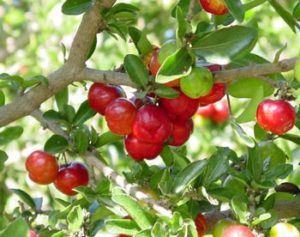
The local cherry or acerola (from the Malpighia genus) is a valuable source of vitamin C. It contains up to 15 to 20 times more vitamin C than lemons, which are already considered to be rich in this vitamin (22, 40). This information is all the more important given that one of the treatments proposed by China for Covid-19 consists of repeated intravenous injections of vitamin C, the idea being to maintain a constant, high concentration of this vitamin in the blood. This vitamin C therapy is currently used in Korea, Japan and Singapore, and in recent weeks a petition has been circulating online calling for it to be applied in France. Vitamin C acts as a barrier against micro-organisms by strengthening epithelial tissues and activating the production of antibodies. Of course, taking vitamin C orally won’t achieve the same results as injections, but as a preventive measure, eating cherries regularly and evenly throughout the day is certainly a good way to combat Covid-19. Note that just a few cherries (5 or 6, not too ripe) already provide the body with a good dose of vitamin C. A study carried out in Japan showed that vitamin C from cherries is better absorbed and stays in the bloodstream longer than pure ascorbic acid (38). According to the author of the study, this is due to the many other substances (B vitamins, flavonoids, etc.) that cherries contain. Thanks to its vitamin C content, cherries also facilitate the assimilation of iron from other foods, helping the functioning of red blood cells and the transport of oxygen. When it comes to Covid-19, eating cherries is an excellent way to take advantage of the protective properties of vitamin C by keeping it in the body.
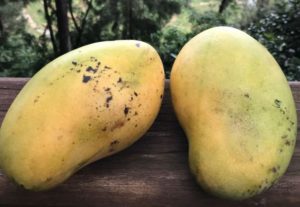
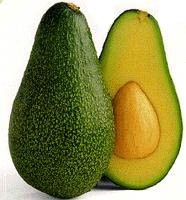
Mango, papaya, tamarind, peppers, spinach and leafy vegetables are also valuable sources of these vitamins, which are essential for the immune system (40). Avocados, with their vitamins A, C, B and E, good fats and flavonoids, have been shown to have beneficial effects on the immune system by stimulating the production of immunoglobulins (10). It is advisable to eat the fruit as it is, without adding sugar or extracting the juice. A cod liver oil supplement rich in omega-3 fatty acids, vit. A and D can help maximise this function.
 To replenish your immune system, you can also use moringa, a small tree that has become quite common in the country. Eating its leaves, which are rich in proteins, amino acids, iron, flavonoids (quercetin) and various vitamins (15, 21, 35), helps to modulate the activity of the immune system (35). Moringa also provides high-quality protein, which is important for people who do not eat meat on a regular basis, i.e. a large proportion of the Haitian population. Moringa extract increased immunoglobulin levels and prevented mortality in animals exposed to virulent bacteria (35).
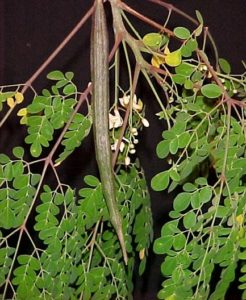
The leaves also have antiviral and antibacterial activity (21). Fresh or dried, you can add Moringa to your food or take ½ teaspoon of leaf powder in a little water.
Watercress is one of the cheapest salads and one of the richest in elements that protect the immune system. Animal experiments have demonstrated its beneficial effects on this system, as well as its anti-inflammatory and red blood cell stimulating action (7). Vitamins A, C and E are well represented, as are a number of minerals (sulphur, selenium, zinc, magnesium) (40) which are essential for immune defence. Watercress protects against respiratory infections in general and is used in traditional Haitian medicine to combat lung diseases (32).
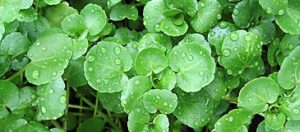
The zinc it contains helps to maintain and renew immune system cells. It also strengthens the mucous membranes of the throat and nose, which are the entry points for viruses. Studies have shown that even a slight deficiency in this mineral weakens the defence system (25). According to one study, zinc supplementation reduces the duration of colds and increases survival in children with pneumonia (34). In a number of treatment protocols currently on offer for Covid-19, it is recommended that zinc supplements be added to the antibacterial or antiviral drugs prescribed.
Good quantities of zinc are found in seafood (oysters, crabs), eggs, liver, sesame seeds (wowoli) and giraumon seeds (roast them!) and cashew nuts. For people who have tested positive for Sars COV-19 or for prevention purposes, taking a zinc supplement could be beneficial.
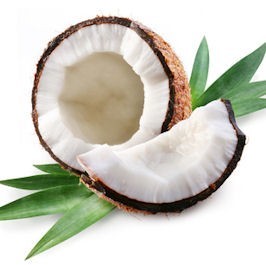
The walnut is rich in fats and lauric acid, a fatty acid that is quite rare in the diet and also found in mother’s milk. The special feature of this acid is that it can be used directly as fuel for the body, where it is transformed into monolaurin. Monolaurin has the ability to stimulate the immune system and protect cells from attack by viruses and bacteria (24). It is thought to be particularly active against viruses attacking the respiratory system (32). Pieces of walnut are sold in all markets at affordable prices.
Citrus fruits in general are rich in vitamin C and substances such as hesperetin and naringin, which may help to reduce Covid-19 infection, according to Chinese studies (4, 5, 18). Naringin may also prevent cytokine storms. These substances are found in the pulp and especially in the peel of the fruit. You can boil a piece of the peel and drink the cooking water as an herbal tea. Eating citrus fruits also prevents the formation of blood clots (46).
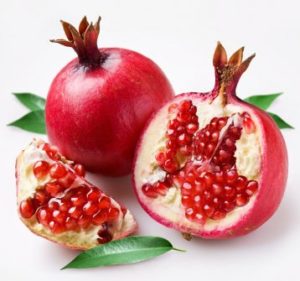
Pomegranates contain punicalagin (juice and peel), which slows down the entry and spread of viruses in the body; it slows down viral replication and the ability of viruses to attach to cells; it also has a virucidal and antibacterial effect (flesh and especially peel) (11). In animal experiments, fruit juice has been shown to have an anti-anaemic and anti-coagulant effect (28). Water-soluble punicalagin can be obtained by boiling a piece of peel in water.
Purslane (koupye) – Portulaca oleracea – is a fairly common vegetable in the country, and available at very affordable prices. Given its properties, in the fight against Covid-19, it could help in a number of ways and at different stages. Firstly, it has a high iron content, which promotes the renewal of red blood cells, whose main function is to transport oxygen to the organs. It is rich in several vitamins (A, B, C, E) and omega-3 fatty acids (39), which have an anticoagulant effect and have been shown to have a beneficial effect in respiratory distress syndrome. Purslane also contains melatonin, which has an immunomodulating and anti-inflammatory action.
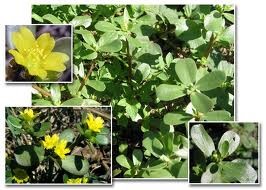
In animal experiments, a 2017 study showed the anti-inflammatory and immunomodulatory effects of purslane extracts in cases of pulmonary inflammation (13). In 2019, another study published in the journal Molécules showed, again in animal experiments, that a purslane extract significantly reduced pulmonary oedema associated with inflammatory lung diseases. In diabetic animals, purslane extract also reduced blood vessel inflammation and prevented vascular complications due to endothelial tissue dysfunction (17). Immunomodulatory effects have also been demonstrated for inflammation of organs in the digestive system (41).
According to one study, eating purslane also helps combat the lack of oxygen due to altitude (36). A number of clinicians have recently compared certain symptoms of Covid-19 with those observed at altitude. An extract of the plant increased the survival rate of animals with insufficient oxygen intake by stimulating key glycolysis enzymes. Damage to nervous tissue caused by a lack of oxygen was also reduced by an extract of the plant (42). Taken together, these studies show that purslane extracts have a protective effect on various types of tissue, particularly in the lungs, digestive system, nerves and blood vessels.
If we consider the properties of purslane in relation to its ability to compensate for the lack of oxygen, to promote the functioning of blood vessels, to protect different types of tissue and to act by modulating the immune response, consuming this plant as a preventive measure against Covid-19 or after having tested positive seems a good thing to do. The plant can be used as a tea (boil 2 small branches with their leaves) or as a vegetable.
Small millet is high in iron, which promotes oxygenation of the body’s cells, and in B vitamins, especially B3 (40), which increases energy production in the body. It contains zinc and copper (40), which have a positive effect on the immune system. Regular consumption of small millet will help maintain this system.
Spices: ginger, cloves, cinnamon, parsley
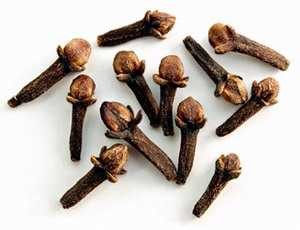
They can be found in all public markets. Many help to prevent infections in general and boost immunity. Parsley, rich in vitamins and minerals, is anti-anaemic, antibacterial and has an anticoagulant effect (33). It can be used as a tea or in food. Cloves have a blood-thinning effect and act against many bacteria (8). It contains eugenin, which acts on viral synthesis: boil 4 to 5 cloves for a tea. It can also be inhaled.
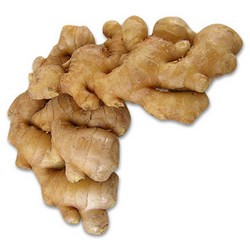
Cinnamon extract has anti-platelet aggregation and anti-thrombotic properties (20). Ginger has a respiratory action and blocks the entry of certain viruses into the tissues of this system. It reduces inflammation in the bronchial tubes, stimulates circulation and has an immunostimulant action (1). Ginger improves microcirculation and reduces blood coagulability (27). In elderly patients with osteoarthritis, administration of ginger resulted in a reduction in pro-inflammatory cytokines (23). Ginger has also been shown to have a positive effect on the endothelial function exerted by blood vessels (9), a function that has been shown to be impaired in some Covid-19 patients. We recommend preparing a tea with a few slices of fresh ginger and drinking it once a day as a preventive measure, or every 2/3 hours during acute episodes, to maintain blood concentration. You can also prepare an extract on alcohol with chopped fresh ginger; leave to macerate for 10 days; take 10 to 20 drops of the preparation 4 times a day during acute episodes.
Lamiaceae
This is a family of plants containing essential oils (complex, aromatic substances) with a well-known antiviral action . These plants act on key enzymes in the life cycle of viruses. Here are a few examples:
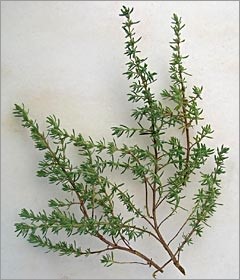
Thyme (Thymus vulgaris): stimulates the immune system and promotes expectoration; it has anti-coagulant activity (2). It contains several substances (thymol, geraniol, etc.) which explain its properties (31). It can be used in food or as a tea.
Atiyayo (Ocimum gratissimum): the plant acts on both cellular immunity (T lymphocytes) and antibodies (44). It also acts against several pathogenic bacteria (8): 2 to 3 leaves to boil for a tea.
Basil (Ocimum basilicum) has immune-modulating, antiviral and antibacterial properties (14, 37). It can be taken as a tea.
Mint (Mentha sp) and ti balsam (Mentha nemorosa) inhibit the entry of viruses into the body and act as an anti-inflammatory (37). They can be taken as a tea.
Quercetin – This pigment reduces viral infections in general, by acting on viral replication and preventing viruses from entering cells. Anti-bacterial activity against a number of pathogenic bacteria has also been reported. Quercetin also acts by modulating the body’s inflammatory reactions (45). The Clinical Research Institute in Montreal is interested in quercetin for its action against SARS COV2, and a clinical trial is currently underway in China on this substance derived from Moringa (6). Peppers, chillies, turnips, leeks, cocoa, leafy vegetables, garlic and especially red onions, shallots and moringa contain quercetin.
Glycyrrhizin – This is a sweet substance found in the legliz liana (Abrus precatorius), a plant used in the country to treat coughs and flu. Glycyrrhizin has expectorant and antiviral properties. It prevents viral replication and activates phagocytosis. It is particularly effective against respiratory viruses (30). According to a Chinese study, glycyrhyzine can reduce the entry of SARS-Cov 2 into the body and modulate cytokine release, making it a possible therapeutic agent for Covid-19 (19).
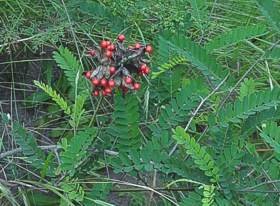
The glycyrrhizin contained in legliz can be released simply by chewing the leaves (1 or 2 small branches are sufficient). However, taken in large quantities, glycyrrhizin increases blood pressure! The seeds of the legliz vine (small round black and red seeds) are poisonous and should never be ingested. They are very attractive and should not be left within the reach of children.
Some treatments used in the country against Covid-19
Mixtures of ginger, cloves, cinnamon, lemon and honey: their composition has antiviral, anti-bacterial, anti-inflammatory and anticoagulant properties; saffron (Curcuma longa), which contains curcumin with antiviral and anti-inflammatory properties, is sometimes substituted for one of these plants;
Aloe (Aloe vera) – the yellowish part of the leaf contains aloin and aloe-emodol with immunostimulant, anti-inflammatory and antiviral action; this part also has a purgative and irritant effect; the transparent part of the aloe (gel) is anti-inflammatory, antiasthmatic and healing;
Palma christi oil (from the seeds of Ricinus communis) has a purgative and anti-viral effect; it is not recommended to take it for more than 3 days (no more than one tablespoon for an adult); it disrupts intestinal function at higher doses and with prolonged treatment (37);
–Eucalyptus (Eucalyptus globulus) is an antibacterial and expectorant (37) – It can be used as a tea (3 to 4 leaves) or as an inhalant;
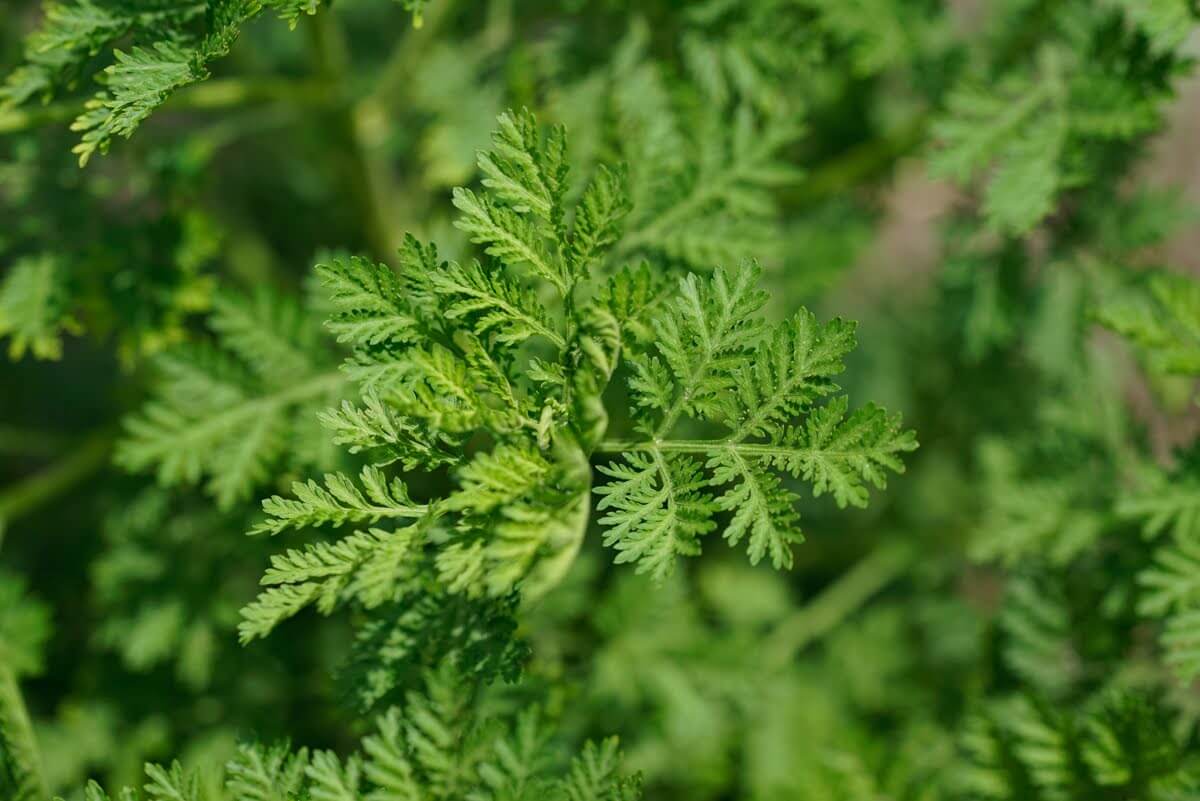
-Mugwort
The species known as “armoise” in Haiti needs to be formally identified (see below).
In the “Flore d’Haïti”, Barker and Dardeau (3) do not mention the presence ofArtemisia annua in the country, which grows in Madagascar and China and contains artemisinin.
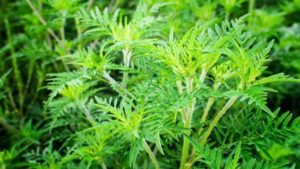
Research should be carried out on local wormwood to demonstrate its therapeutic effects and safety in the event of an attack by Covid-19.
Work is currently being carried out in Germany and Africa on Artemisia annua to study its effects on the virus.
A final word
We have a number of plants with properties that can help us to resist Covid-19, if only as a preventive measure. We can use them without too much difficulty: they are available in the country, the population is already familiar with them and they are within everyone’s reach in terms of cost. However, moderation is required when it comes to the quantities used for teas, and too much mixing should be avoided when preparing and drinking them (no more than 3 or 4 plants at a time for a tea).
To stimulate the immune system, you also need to stay active: even if you’re confined to your home, look for activities that get you moving and do breathing exercises to avoid stress. Listen to relaxing music and meditate.
Finally, the virus is highly contagious, so no-one is really safe, but by strengthening your immune system and your body, and by practising good hygiene, you’re putting your chances on a better footing and reducing the risk of complications from the disease. By protecting ourselves in this way, we will be protecting our own and others, and if everyone does their bit, we may just be able to prevent the country from suffering a health catastrophe.
Elsewhere, in Madagascar, plants are also being used to combat the coronavirus:
Références bibliographiques
- Ajala O.S. Anticoagulant activity of ginger rhizome extract. Nig. J. Pharm. Res. 2017, 13 (2): 167-173
- Akram M. Anticoagulant activity of plants: Mini review. Journal Thromb and Thrombolysis. 2017 Oct; 44 (3): 406-411
- Barker H D. et Dardeau. La Flore d’Haïti. Service Technique du Département de l’Agriculture et de l’Enseignement Professionnel, P-au-P, 456 p
- Bhowmik D. Evaluation of flavonoids as 2019-n Cov cell entry inhibitor through molecular docking and pharmacological analysis. Chem RXIV. 12071508.v1
- Cheng and al. Citrus fruits are rich in flavonoids for immune regulation and potential targeting ACE 2. On line : 23 Fev 2020
- Chrétien M. Entrevue – Radio canada, mars 2020
- Clemente M. and al. Can medicinal properties of watercress be relevant to human health? A systematic review. Pharmacognosy Review 2019; 13: 10-15
- De Oliviera L. Efeito inibitorio e atividade antisseptica de oleos essentials de Syzygium aromaticum and Ocimum gratissimum contra E. coli and Staphylococcus aureus isolados de carde ovinos. Caderno de Ciencias Agririas, 11 :1-11
- Elseweidy M. Targetting haemostatic derangement and endothelial dysfunction. American Journal of Phytomedicine and Clinical therapeutics. 2015, vol 3:167-177
- Gargi D. Avocado consumption and immune response: A review on Ethiopian context. Indian Journal of Public Health Research and Development. 2019, vol 10, Issue 9
- Ismael T. Pomegranate peel and fruit extract: A review of potential anti-inflammatory and anti-infective effect. J of Ethnopharmacology 143 (2012) : 307-405
- Jitendra S. and al. Targeting Sars-Cov 2 spike protein of Covid-19 with naturally occurring phyto chemicals: an in silco study for drug development. Chem RXIv- doi.org/10.26434, v1
- Kaveh M. Modulation of lung inflammation and immune markers in asthmatic rats treated by Portulaca oleracea. Avicinna Journal of Phytomedical. 2017; 7(5) : 409-416
- Kuen-Daw. Immuno modulatory effect of aqueous extract of Ocimum basilicum. 2011. Corpus ID: 54588648
- Lakshmipriya G. and al. Moringa oleifera: a review on nutritive importance and its medicinal applications. Food science and human wellness. Vol 5, Issue 2, June 2016:49-56
- Lawal O A. Essential oil composition and in vitro biological activities of 3 Syzygium species from Nigeria. New Development in Terpenes Research. 2014, Nova Science Publishers
- Lee A. Portulaca oleracea ameliorates diabetic vascular inflammation and endothelial dysfunction in db/ mice. Evidence-Based Complementary and Alternative Medicine. Vol 2012, 9p
- Liping C. and al. Citrus fruit are rich in flavonoids for immune regulation and potential targeting of ACE”. Preprint 2020, 2020020313- Version on line
- Luo P. Pharmacological perspective: glycyrrhizine may be an efficacious therapeutic agent for Covid 19. Int. J. Antimicrob agent, 2020 Ap24:105995
- Mehrpouri M. Cinnamon inhibits platelet function and improves cardiovascular system. Journal of Medicinal Plants. 2020; 19 (73): 1-1
- Mengfei L. and al. Bio-active flavonoids in Moringa oleifera and their health promoting properties. Journal of functional foods. 47(2018): 469-479
- Mezadii and al. El fruto de la acerola: composition y possible usos alimenticios. Archivos latinoamericanos de Nutrition. Juin 2006. U 56, no2
- Mozaffari K. Effect of ginger supplementation on pro inflammatory cytokines in older patients with osteoarthritis: a randomized controlled clinical study. Journal of Nutrition in Gerontology and Geriatrics. June 2016; 35 (3): 209-218
- Mustapha N. G., (2019). Biochemical trails associated with different doses of alpha-monolaurine in chicks. Anim. Vet. Sci., 7 (3): 187-192
- S. Modulating the immune response by oral zinc supplementation: a single approach. Arch. Immun. Ther. Exp. 2008 ; 56(1) : 15-30
- Ponctual L. Fer et prédisposition aux infections. Archives de Pédiatrie, Vol 24, Issue 5- Supplément, 2017 : 5514-5517
- Prasad S. To investigate the action of ginger juice on blood coagulation process. International Journal of Pharma Sciences and Vol 3, no 7, Jul. 2012
- Riaz A. Anticoagulant, antiplatelet and antianemic effect of Punica granatum juice in rabbits. Blood Coagulation and Fibrinolysis. Mars 2016, 27 (3): 287-293
- Rigaud D. Dossier Nutrition et immunité. Hôpital Bichat – Paris
- Roshan A. Phytochemical constituants, pharmacological activities and medicinal uses through the millennia of glycyrrhiza glabra. International Research Journal of Pharmacy; 2012, 3 (8)
- Rota M. Antimicrobial activity and chemical composition of Thymus vulgaris, Thymus zygis and Thymus heymalis essential oils. Food Control, vol 19, Issue 7: 681- 687
- Rouzier M. Plantes médicinales d’Haïti. Description, usages et propriétés. Editions UEH, Port-au-Prince, 508 p
- Sidra M. Critique of medicinal conspicuousness of Parsley: A culinary herb of Mediterranean region. Pak. J. Pharm Sci. vol 27, no 1 ; Jan 2014: 193-202
- Singh M. Zinc for the common cold. Cochrane Database Syst Rev. Feb 16;2
- P. and al. Immunomodulatory activity of methanolic extract of Moringa oleifera in animals. Indian J Physiol. Pharmacol. 2010; 54 (2) :133-1 40
- Tan Y. The effects of Portulaca oleracea on hypoxia-induced pulmonary edema in mice. Hight Altidude Med Biol. 16:43-51, 2015
- TRAMIL –Pharmacopée végétale Caribéenne. 3ème ed. 2014. Edition Canopé, Guadeloupe, 420p
- Uchida E. Absorption and excretion of ascorbic acid alone and in acerola juice: comparison in healthy Japanese subjects. Biol. Pharm, Bull; 34(11) : 1744-1747
- Uddin K. Purslane weed: a prospective plant source of nutrition, omega 3 fatty acid and antioxidant attributes. The Scientific World Journal, vol 2014, art ID951019, 6 p
- USDA National Nutrients Database
- Vafa B. R. A pharmacological review of Portulaca oleracea : focusing on anti-inflammatory, anti-oxidant, immuno- modulatory and anti-tumor activity. Journal of Pharmacopuncture, 2019 Mar; 22(1) : 7-17
- Wang W. and al. Protective effect of Portulaca oleracea on hypoxic nerve tissue and its mechanism. Asia Pac. J Clin. Nutr 2007; 16 (suppl1): 227-233
- Yang Y. Protective effect of ethanol extract from Portulaca oleracea. American Journal-2016
- Yieng-How C. Dietaty supplementation of Ocimum gratissimum improve immune response without affecting the growth performance and blood characteristic in Taiwan country chicken. J. Poultry Sci., 51: 313-320
- Zakaryan H. Flavonoid: promising natural compounds against viral infections. Archives of Virolgy. 2017 sept, 169(9): 2539-2551
Sites consultés:
- Passeportsanté
Biography
Marilise Rouzier is a biologist/botanist who has been teaching at the Faculty of Medicine and Pharmacy at the Université d’État d’Haïti for over 25 years. She is the Haitian representative of the TRAMIL (Travaux sur la médecine traditionnelle des Iles) Caribbean network, which aims to provide scientific support for popular medicinal practices in the Caribbean region. She has conducted surveys of traditional family medicine in various departments of the country, and is the author of several books, including “Plantes Médicinales d’Haïti”, which describes the properties and uses of the country’s medicinal species.
marylou_rouzier@yahoo.fr