Complementary natural cancer treatments
Known since ancient times and long considered an incurable disease, cancer is associated with very dark images. Fortunately, medical progress means that more and more cancers can now be treated.
What is cancer and what are the different types?
Cancer is the uncontrolled proliferation of abnormal cells that invade and contaminate surrounding healthy tissue. Sometimes cancer cells break away from their original sites to give rise to other secondary sites known as “metastases“.
Cancers are a group of diseases resulting from cellular dysfunction, distinguished by the nature of the tissue in which they develop. Carcinomas occur either in the internal lining tissues of organs and glands, such as the breast or prostate, or externally, such as the skin in the case of melanoma. Sarcomas occur when cancer cells affect bone, striated muscle or fat. In the case of haematopoietic cancers, it is the blood and lymphoid organs that are affected. These include leukaemia and lymphoma.
Causes and main risk factors
Cancers are multifactorial diseases and can have a variety of causes, including lifestyle, environment and genetic inheritance.
“Preventable” factors are associated with lifestyle habits such as smoking, a sedentary lifestyle, alcohol consumption and unbalanced diet. The risk of cancer can also be increased by our environment, such as exposure to sunlight, pollution, viruses and bacteria.
“Non-avoidable” factors include factors such as advancing age, the “erosion” of the body and gender.
Treatment of a first cancer with chemotherapy or radiotherapy can be favourable to the onset of the disease.
Genetic inheritance is also a risk factor, because in almost 10% of cases, cancer is hereditary and corresponds to the expression of a genetic predisposition. But this expression is modulated by epigenetics (or the influence of our environment and lifestyle on the expression of our genes).
How can the disease and its recurrence be prevented?
The best way to prevent cancer is to reduce the “avoidable” risk factor and reduce the chances of letting genes express themselves (positive epigenetics). In 40% of cases, cancer could have been prevented by a healthy lifestyle, a suitable diet and protection against toxic substances, pollutants and other endocrine disruptors.
The risk of bronchial cancer increases with both the length of time a person smokes and the amount of tobacco smoked. A proven carcinogen, alcohol increases the risk of cancers of the upper aerodigestive tract, breast, oesophagus, liver and colon-rectum. Many cases of cancer of the endometrium, prostate, kidneys, pancreas and lungs are caused by excess weight and lack of physical activity.
A balanced diet can help reduce these risk factors. This means limiting consumption of red meat, cold meats, salt and high-fat or high-sugar industrial products. Instead, opt for anti-cancer foods, including fruit and vegetables rich in antioxidants, vitamins and fibre; pulses, wholegrain and semi-complete cereals.
At the same time, we need to avoid exposure to toxic substances and other endocrine disruptors. These are present in our daily environment, whether in the air, water or food in the form of pesticides and food additives, hormone residues in meat, plastic packaging, etc.
The stress factor
Good personal and spiritual development, as well as good stress and emotional management, also help to prevent cancer. A “healthy mind in a healthy body” improves quality of life on a daily basis and reduces risk factors.
It is now accepted that stress is one of the biggest factors in the development or worsening of the disease, even before smoking or a poor lifestyle.
A 2011 meta-analysis even showed that practising Mindfulness Meditation improved the psychological well-being of cancer patients and, by reducing stress-related symptoms, improved their quality of life.
A new discipline, PSYCHO-NEURO-ENDOCRINO-IMMUNOLOGY, is also looking at the consequences and impact of stress on the hormonal and immune systems.
What are the conventional treatments?
The main treatments for cancer are surgery, chemotherapy and radiotherapy.
Surgery is a medical procedure that involves removing the tumour or cancerous tissue from its site to prevent the spread of cancerous cells.
Radiotherapy uses radiation to destroy infected cells to prevent them from growing and dividing.
Drug treatments are designed to destroy cancer cells. In the case of chemotherapy, they slow down their growth. In the case of hormone therapy, the aim is to prevent their spread by strengthening the immune system. In the case of immunotherapy, they help to fight cancer.
Which active ingredients and natural molecules have been the subject of numerous studies and meta-analyses?
Selenium, vitamin C and other antioxidants
Antioxidants (or co-factors) are present in our food in the form of vitamins A, C and E, or minerals such as selenium and zinc. Resveratrol, green tea, turmeric, quercetin and other food substances are also rich in antioxidants. Regardless of their origin, antioxidants are designed to combat cellular oxidation and the formation of free radicals. By limiting the damage caused by cancer cells and preventing them from spreading to neighbouring tissues, antioxidants play a role in cancer treatment. As a complement to radiotherapy or chemotherapy, they limit the side-effects and toxicity of powerful drug treatments. The results of studies correlate a reduction in mortality, particularly with selenium supplementation.
Quercetin
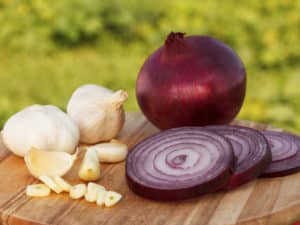
Found in garlic, red onions, capers, green beans, tea, cabbage, berries, grapes and apples, quercetin has antioxidant and anti-inflammatory properties. It is also known to have anti-cancer properties.
The berberine
Found in goldenseal, johnsonweed and barberry, berberine is a natural yellow, bitter organic alkaloid. With antibacterial, antiviral, antifungal, anti-ageing, anti-inflammatory, antiarrhythmic and metabolic properties, berberine is a significant chemopreventive and therapeutic agent.
Turmeric
A spice of Indian origin with a distinctive yellow colour, turmeric has anti-inflammatory and antioxidant properties. By slowing down the development of cancer cells and the formation of metastases, it is effective in the treatment of heart, breast and liver cancer, as a complement to radiotherapy and chemotherapy.
Resveratrol
Found in grapes, particularly in the seeds and skins of red and pink varieties, resveratrol is a powerful antioxidant and anti-inflammatory. Laboratory studies have shown its effectiveness in preventing certain cancers. Used in conjunction with drug treatment, it has well-known anti-cancer properties.
Phycocyanin
A blue pigment found in spirulina and klamath, phycocyanin is the substance that captures solar energy and converts it into biochemical energy. The qualities of this molecule in the treatment of diseases, including cancer, lie in its ability to capture and exploit the light photons used in radiotherapy for cancer, for example. It therefore enhances the effects of radiotherapy, which means that lower doses can be used. It also has antioxidant, anti-proliferative and pro-apoptotic properties, and some anti-cancer drugs even contain derivatives of it. In the case of leukaemia, it helps to restart stem cell production and normalise red blood cell counts.
Where can you find high-quality phycocyanin and spirulina? An excellent product is NaturaBlue from Natura4Ever.
Shiitake/Maitake/Reishi mushrooms
Asian mushrooms such as Maitake, Shiitake and Reishi derive their beneficial properties from polysaccharides known as beta-glucans. They are known in traditional medicine for their ability to improve the immune system and strengthen the body’s natural defences, including in environments with high levels of bacteria or viruses. They are also recognised for their significant anti-tumour effect, as a complement to chemotherapy treatment.
Cruciferous vegetables
Cruciferous vegetables include broccoli, Brussels sprouts, and kale. Their anti-cancer properties come from their high concentration of sulforaphane. Research conducted by Harvard University in the United States has concluded that these vegetables can prevent certain cancers and even treat and eliminate tumours.
Red fruits
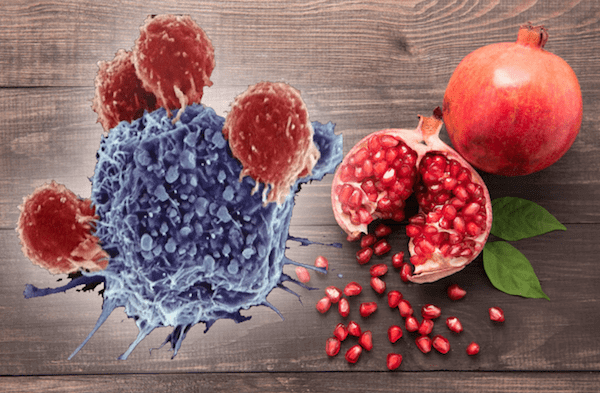
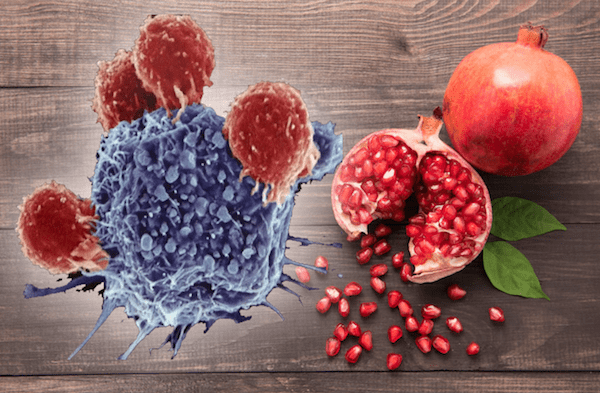
Red fruits such as pomegranates, blueberries, strawberries, raspberries, blackberries, cherries and grapes are distinguished by the presence of ellagic acid and anthocyanidins. Rich in antioxidants, red fruits are recommended for their ability to slow down the development and proliferation of cancerous and tumour cells. To fully enjoy the benefits of these fruits, it is advisable to eat them fresh.
Green tea and Matcha
Rich in catechins, green tea is known for its ability to strengthen natural defences and improve the immune system. As part of cancer treatment, this drink slows the spread of the disease to new healthy tissue and improves quality of life during radiotherapy. In fact, it alleviates side effects such as vomiting and diarrhoea, which are common in pelvic and abdominal surgery. Green tea has been proven to be effective in fighting cancer, particularly lymphatic leukaemia, breast cancer, prostate cancer and skin cancer.
Soybeans
With a high content of isoflavones such as genistein, daidzein and glycitein, soy has anti-cancer properties, particularly in the treatment and prevention of breast cancer recurrence. Consumed in the form of milk, yoghurt, tofu, miso or tempeh, soy helps to alleviate the symptoms of menopause, hormonal disorders and breast cancer. However, it is not recommended to take it in the form of dietary supplements for those with a history of hormone-dependent cancer.
However, contrary to popular belief, consuming soy and legume products rich in phytoestrogens is not contraindicated, even in cases of breast cancer—quite the opposite, in fact. This has been demonstrated by extensive studies showing that recurrence rates and mortality are significantly reduced with higher dietary intake of phytoestrogens; Health and Nutrition File, Dr Jean-Paul Curtay
As part of a comprehensive approach to correcting nutritional deficiencies and providing better anti-inflammatory and antioxidant protection, it is also important to check vitamin D levels and ensure a balanced intake of omega-3 EPA-DHA.
In general, to prevent cancer or recurrence, you can combine an anti-cancer diet (rich in vegetables, as raw as possible, low in meat and industrial products, sugar and saturated fats, rich in anti-inflammatory spices, etc.), emotional management, and physical activity during fasting (intermittent, water-based, weekly) depending on your abilities and any contraindications.
Precautions and contraindications of certain natural molecules with conventional treatments
The use of natural molecules in cancer treatment has its limitations. Indeed, the effectiveness of natural treatments depends on the doses ingested. If the doses are too low, they have no effect, while if they are too high, they can have a harmful and toxic effect on an organism with a weak immune system. Sometimes, they can reduce the effectiveness of conventional and drug treatments, particularly those with an oxidising effect, such as radiotherapy and antitumour antibiotics such as bleomycin or mitomycin.
Anti-cancer protocols in 2019
To be implemented alongside a ketogenic diet, Dr Laurent Schwartz’s metabolic treatment is based on the “Warburg effect”, discovered in 1956. While normal cells burn sugar to produce sufficient energy, abnormal cancer cells appear to divide and proliferate in response to cellular disruption. Metabolic treatment therefore consists of restoring mitochondrial function to slow the progression of cancer and allow cancer cells to return to their normal state.
The active ingredients used in metabolic treatment are sodium R-lipoate (the active and most bioavailable form of alpha-lipoic acid, a powerful antioxidant) and hydroxycitrate.
The metabolic therapeutic approach is combined with a ketogenic diet, i.e. low in sugar and high in fat. To slow down the proliferation of cancer cells, a literature review published in 2011 in Nutrition and Metabolism highlights the anti-cancer potential of a high-fat diet. As part of this diet, in addition to a very high intake of vegetables, the focus is on butter, avocados, eggs, fish, meat and poultry, while pastries, fruit, potatoes, all refined and industrial products, sugar, cereals and legumes are eliminated. In doing so, the body draws energy from lipids, which are converted into fatty acids and ketone bodies.
However, the metabolic approach and ketogenic diets as part of cancer treatment remain at the experimental stage. In a review published in the Journal of Human Nutrition and Dietetics in 2018, the extrapolation of the benefits of such treatment to humans is not yet conclusive. Therefore, it should be used with caution and in moderate doses, in combination with conventional treatments such as chemotherapy, radiotherapy or surgery. At the very least, we should focus on an anti-cancer, anti-inflammatory, antioxidant and alkalising diet.
Two associations provide information on these protocols: Dr Laurent Schwartz’s association, https://guerir-du-cancer.fr/, and “Cancer et Métabolisme” (Cancer and Metabolism) www.cancer-et-metabolisme.com.
PLEASE NOTE: All information provided in this article and more broadly on this blog is for informational purposes only. It does not constitute treatment in any way. It is advisable to consult competent practitioners.
The nutraceuticals presented here have physical and chemical properties which, like any product containing active ingredients, require precautions to be taken and consultation with your doctor or other competent therapist regarding possible drug interactions between molecules or in the case of concomitant use of other dietary supplements, or the consequences of overdose and prolonged use.
Other psycho-emotional, spiritual and energetic approaches in co-treatment
Complementary approaches help fight cancer and, above all, alleviate its symptoms in conjunction with conventional treatments. Their effectiveness is based on the interaction between emotions, thoughts and the physical body in order to ensure the patient’s well-being and influence the development of the tumour. They can improve physical and psychological well-being, reduce fatigue, anxiety and stress, and bring serenity, pleasure and calm. They have a positive effect on sleep quality and improve appetite. These complementary approaches can also take the form of prayer, positive thinking and psychology, or even talk therapy or energy therapy.
Prayer and spirituality
Firstly, spirituality can help patients find meaning in life and a reason to live. It allows them to maintain hope for improvement, to live better and to flourish despite physical ailments. Secondly, it allows them to develop a positive environment around themselves and, for believers, to gain confidence and maintain a positive outlook.
Positive psychology
Thanks to positive psychology, the idea is to focus on thoughts and emotions that will trigger a cascade of hormones conducive to well-being, allowing the disease to be approached differently.
Of course, positive thoughts do not cure cancer. However, they help to avoid amplifying the negative aspects while still perceiving the real risks.
In addition, psycho-energetic and psycho-physical treatments aim to balance energies and harmonise the chakras. The principle behind these complementary treatment tools is based on listening to the unconscious mind in order to interpret and alleviate ailments.
Decoding diseases
Talk therapy allows us to decode and then interpret the onset of disease. Analytical therapy and biological decoding allow us to go even further in understanding and accepting the disease while working to resolve internal conflicts. In light of works such as those by Dr Hamer, Dr Pierre-Jean Thomas-Lamotte’s book, “Et si la maladie n’était pas un hasard…” (What if illness were not a coincidence…), and other works on the symbolism of illnesses, and by identifying the conflicting shocks, therapists can help people address the issues that caused the illness and treat them at their source.
Chinese energy medicine
Finally, energy therapies from Chinese medicine also play an important role among complementary approaches to cancer treatment. They are based on the ability of energy therapies to treat the symptoms of the disease and alleviate side effects, including fatigue, pain, and anxiety. However, regardless of the methods chosen, these therapies must be used in conjunction with conventional approaches and are intended solely to improve patients’ quality of life.
References
Ledesma D, Kumano H. Mindfulness-based stress reduction and cancer: a meta-analysis. Psychooncology. 2009 Jun;18(6):571-9. Musial F, Büssing A, Heusser P, Choi KE, Ostermann T.
Mindfulness-based stress reduction for integrative cancer care: a summary of evidence Forsch Komplementmed. 2011;18(4):192-202. Ott MJ, Norris RL, Bauer-Wu SM.
Mindfulness meditation for oncology patients: a discussion and critical review. Integr Cancer Ther. 2006 Jun;5(2):98-108 Matchim Y, Armer JM, Stewart BR.
Mindfulness-based stress reduction among breast cancer survivors: a literature review and discussion.. Oncol Nurs Forum. 2011 Mar;38(2):E61-71.
Harris HR, Orsini N, Wolk A. Vitamin C and survival among women with breast cancer: a meta-analysis. Eur J Cancer. 2014 May;50(7):1223-31. doi: 10.1016/j.ejca.2014.02.013. Epub 2014 Mar 7. Review. PubMed PMID: 24613622.
Jiang, Liangqian & Wang, Yujuan & Yin, Qifeng & Liu, Guoxiang & Liu, Huihui & Huang, Yajing & Li, Bing. (2017). Phycocyanin: A Potential Drug for Cancer Treatment. Journal of Cancer. 8. 3416-3429. 10.7150/jca.21058.
Liao, G., Gao, B., Gao, Y., Yang, X., Cheng, X., & Ou, Y. (2016). Phycocyanin Inhibits Tumorigenic Potential of Pancreatic Cancer Cells: Role of Apoptosis and Autophagy. Scientific reports, 6, 34564. https://doi.org/10.1038/srep34564
Baudry J, Assmann KE, Touvier M, et al. Association of Frequency of Organic Food Consumption With Cancer RiskFindings From the
NutriNet-Santé Prospective Cohort Study. JAMA Intern Med. Published online 22 October 2018. doi: 10.1001/jamainternmed.2018,4357
Josiane Steinmetz, Yves Spyckerelle, René Guéguen, Caroline Dupré,
Tobacco and alcohol increase the risk of adenomas and colorectal cancers: Study comparing 3292 cases with 5456 controls in a medium-risk population who had a positive faecal occult blood test, La Presse Médicale, Volume 36, Issue 9, Part 1, 2007, Pages 1174-1182, ISSN 0755-4982,
https://doi.org/10.1016/j.lpm.2007.02.012.
SongM, GarrettWS, ChanAT (2015). Nutrients, Foods, and Colorectal Cancer Prevention. Gastroenterology. 148: 1244-1260
Russo GL, Russo M, Spagnuolo C, Tedesco I, Bilotto S, Iannitti R, Palumbo R (2014). Quercetin: A pleiotropic kinase inhibitor against cancer. Cancer TreatRes. 159: 185-205
ChoudhuriS, ChanderbhanRF (2016). The Biology of Nutrients:Genetic and MolecularPrinciples. Nutraceutics, Chapter 17, p: 209-225.
Quercetin induces cell cycle arrest and apoptosis in CD133+ cancer stem cells of human colorectal HT29 cancer cell line and enhances anticancer effects of doxorubicin Shekoufeh Atashpour,1 Shamileh Fouladdel,1 Tahereh Komeili Movahhed,2 Elmira Barzegar,1 Mohammad Hossein Ghahremani,3 Seyed Nasser Ostad,3 and Ebrahim Azizi1. Iran J Basic Med Sci. 2015 Jul; 18(7): 635–643. PMCID: PMC4556754
Hormesis and synergy: pathwaysand mechanisms of quercetin in cancer prevention and management. Vargas AJ, Burd R.Nutr Rev. 2010 Jul;68(7):418-428.
Quercetin, a Natural Flavonoid Interacts with DNA, Arrests Cell Cycle and Causes Tumor Regression by Activating Mitochondrial Pathway of Apoptosis. Shikha Srivastava, Ranganatha R. Somasagara, Mahesh Hegde, Mayilaadumveettil Nishana, Satish Kumar Tadi, Mrinal Srivastava, Bibha Choudhary, Sathees C. Raghavan. doi:10.1038/srep24049
Bibliography
Braden Gregg – Spontaneous Healing of Beliefs – Ariane Publishing.
Breuss Rudolf – Cancer, Leukaemia and Other Apparently Incurable Diseases That Can Be Cured Using Natural Methods – published by the author.
Cambayrac Françoise – Truths About Emerging Diseases – Résurgence Collection.
Couderc Monique – I Beat My Cancer, A Story of Healing Through Natural Medicine – Belfond Publishing.
Cunningham Alastair J. – Living with Cancer – Yva Peyret Publishing.
Curtay Jean Paul and Lyon Josette – Practical Encyclopaedia of Vitamins, Minerals and Trace Elements – Hachette Publishing.
Curtay Jean-Paul and Razafimbelo – The Family Guide to Healing Foods – Albin Michel.
Danze JM, Le Ruz P, Bousquet M, Louppr B. – Healthy Living? Risks Associated with Electrical and Magnetic Pollution – Resurgence Collection.
De Souzenelle Annick – The Symbolism of the Human Body – Dangle Publishing
Dossey Larry – The Surprising Power of Prayer – Guy Trédaniel Publisher. Dousset Marie Paule – Living with Cancer – Seuil Pratique.
Doux Jean – The Book of Healing – published by the author.
Fitoussi Alfred Rixe Olivier – Breast Cancer – Bash éditions Médicales.
Flèche Christian – Biological Decoding of Diseases – éditions Souffle d’Or. Gawain Shakti – Creative Visualisation Technique – J’ai lu – aventure secrète.
Gérard Françoise – Cancer, My Path to Healing – Arkhana vox.
Goldman Frank – Clinics for Alternative and Integrated Treatments – Le Lotus d’Or.
Gouget Corinne – The Danger of Food Additives – Chariot d’Or.
Harel Louise – The Origins of Cancer – Puf – Que sais-je? No. 3610.
Hirshberg Caryle and Barash Marc Ian – Remarkable healings – France Loisirs.
Hoerni Bernard – Cancers – Dictionary from A to Z – Editions Frison Roche.
Jenaer Maurice – Micro-immunotherapy: the method – Institut 3IDI.
Jentschura Peter and Lohkämper – Health Through Purification – Peter Jentschura Editions, Münster, Germany.
Joyeux Henri – Choose to Live, Diet and Cancer – OEIL Editions.
Joyeux Henri – Change Your Diet – Cancer Prevention – Should We Eat Organic? – François-Xavier de Guibert Editions.
Jung C. G. – Psychological healing – Georg University Library and Kousmine & Co. – Save your body – Robert Lafont.
Labonté Marie Lise and Bornemisza Nicolas – Healing yourself through your inner images – Albin Michel Publishing.
Lagarde Philippe – Everything you need to know about cancer – Favre. Lakhovsky Georges – The origin of life – Gauthier Villars et Cie. Lance Pierre – Cursed scientists, cursed researchers – volumes 1, 2 and 3 – Guy Trédaniel editions.
Le Lann Roger – These Waves That Heal Us: Geobiology – Age du Verseau.
Le Ribault Loïc – Micropolis – self-published by Le Ribault.
Le Ribault Loïc – Organic Silicon by Loïc Le Ribault – published by Guy Trédaniel.
Leahy Shlemon Barbara – Living Inner Healing – Anne Sigier Lebrun Maguy – Doctors of Heaven, Doctors of Earth – Robert Laffont.
Lejeune René – Fasting, Healing and Festivals – Parvis.
Levy Joseph – Alternative Approaches to Cancer Treatment – Editions Du Rocher, paperback.
Lunel Pierre – Miraculous healings – Plon.
Lützner H. – How to revive yourself through fasting – Terre Vivante.
Montagnier Luc – The struggles of life – JC Lattès editions.
Moody Raymond – New insights into life after death – Robert Lafont.
Morgan Marlo – Messages from Real Men to a Changing World – J’ai Lu Aventure Secrète.
Murphy Joseph – The Power of Your Subconscious Mind – Editions de l’Homme. Neu Sven and Ransberger Karl – Health Enzymes – Editions Jouvence.
Odoul Michel – Tell Me Where It Hurts – The Lexicon – Albin Michel.
Odoul Michel – A Body to Heal Me, a Soul to Cure Me – Albin Michel.
Picard H. – Therapeutic Use of Trace Elements – Librairie Maloine SA éditeur.
Portelance Colette – Inner Healing Through Acceptance and Letting Go – Jouvence.
Quinton René – Seawater as an organic medium – Living Sciences Collection. Rath Matthias – Health is in your hands – MR Publishing Inc.
Redfield James – The Tenth Prophecy – Robert Laffont.
Redfield James – And men will become gods – J’ai lu – Secret adventure.
Renard Léon – Cancer tamed – Marabout service.
Riboli, Deloitre, Collet-Ribbing – Food and Cancer, evaluation of scientific data – Lavoisier Tec et Doc editions.
Roche Henri – Cancer – Editions Privat.
Rossi Ernest Lawrence – Psychobiology of Healing – Editions Souffle d’Or.
Ruiz Don Miguel – The Four Agreements – Poches Jouvence.
Diagrams – Schüssler salts: Biochemical therapy – Recto-Verseau Publishing.
Diagrams – Intestinal hygiene – Recto-Verseau Publishing.
Schveitzer N, Cabarrot E, Guimbaud R, Moyal E – Clinical oncology – Masson.
Schweizer Marc – Aloe, the healing plant – APB.
Seignalet Jean – Food or the third medicine – Human Ecology Collection.
Servan-Schreiber David – Anticancer – Robert Laffont.
Simonds Caroline and Warren Bernie – Laughter as medicine – Albin Michel. Simonton Carl – Henson Reid – The Adventure of Healing – Belfond.
Simonton Carl Matthews Creighton – Healing Against All Odds – Desclée de Brouwer.
Ubiana Maurice – Cancer Yesterday, Today, Tomorrow – Editions Odile Jacob.
Vasey Christopher – Acid-Base Balance, Source of Well-Being and Vitality Editions Jouvence.
Weil Nicole – My Practice of Art Therapy – Editions Souffle d’Or.
Willem Jean Pierre – Preventing and Beating Cancer – Edition Guy Trédaniel.
Xie Wenwei – Cancer = Death? Treatment of Cancer – The Chinese Way New World Press -Beijing China.
Xu Yongfu – Traditional Chinese Medicine and Cancer – Editions DésIris.